
Seasonal Planning
Best Months to Visit Southwest Florida: A Season-by-Season Guide
October 27, 2026 · 5 min read
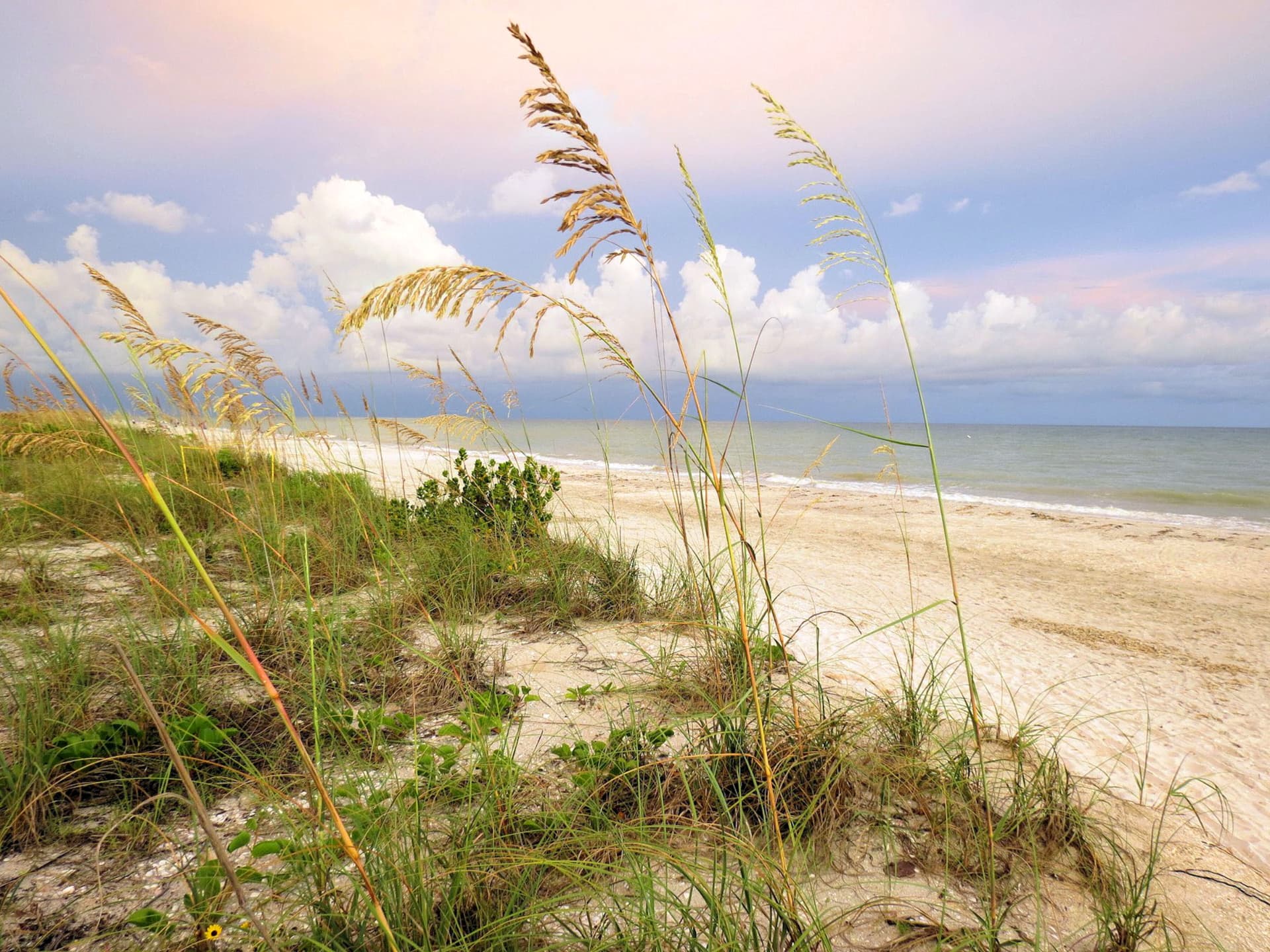
Choosing the best time to visit Southwest Florida depends on the kind of vacation we have in mind. Naples, Fort Myers, Sanibel, Captiva, Marco Island, and Cape Coral share a subtropical Gulf Coast climate, but each season brings a different rhythm. Winter is typically drier and popular with visitors escaping colder climates, spring combines warmth with plenty of outdoor possibilities, summer brings heat and frequent afternoon thunderstorms, and fall marks a gradual transition toward the drier months.
Best Time to Visit Southwest Florida: December Through February
For many travelers, winter is the classic Southwest Florida season. December through February generally brings warm daytime weather, lower humidity than summer, and less rainfall. It is an inviting time to trade snow boots for sandals and spend long stretches outside.
These months are especially well suited to beach days, waterfront dining, boating, golf, and exploring walkable districts without the intensity of midsummer heat. Naples is a natural choice for travelers who enjoy combining the coast with shopping, dining, and cultural attractions; our Naples guide can help with trip planning.
Winter's appealing weather also means visitors should expect a livelier atmosphere in many popular destinations. Restaurants, beaches, roads, and attractions can feel busier as seasonal residents and vacationers arrive. Travelers who prefer having vacation dates and accommodations settled well in advance may want to plan early for a winter stay.
Spring: March Through May
Spring offers a gradual shift from Southwest Florida's dry season toward its warmer, wetter summer pattern. March often retains much of winter's pleasant feel, while April and May typically become progressively hotter and more humid.
For visitors, that transition can create an appealing balance. The Gulf is inviting for swimming and water activities, warm evenings lend themselves to outdoor dining, and there are plenty of opportunities to explore beaches and nature preserves. As temperatures climb later in spring, scheduling more active outings for the morning can make the day more comfortable.
Spring-break periods and holiday weekends can still bring plenty of activity, so the season is not uniformly quiet. The exact experience depends on destination and travel dates. Families looking for beach access, couples planning a coastal escape, or groups wanting room to gather can browse our homes across Southwest Florida communities.
Summer: June Through August
Summer feels distinctly tropical. June through August are hot, humid, and part of Southwest Florida's rainy season. Afternoon and evening showers or thunderstorms are common, although rainfall can be highly localized and a storm does not necessarily mean an entire day is lost.
A flexible routine works particularly well at this time of year. We might head to the beach or enjoy an outdoor activity earlier in the day, leave room in the afternoon for a leisurely lunch or indoor attraction, and return outside when conditions allow. Lightweight clothing, sun protection, hydration, and an eye on the weather forecast are practical essentials.
Summer also overlaps with Atlantic hurricane season, which officially runs from June 1 through November 30. Anyone traveling during this period should monitor forecasts, understand cancellation and travel-insurance terms, and follow guidance from local authorities if severe weather threatens.
For visitors who enjoy a slower seasonal feel and do not mind the heat, summer can reveal a different side of the Gulf Coast. Fort Myers and the surrounding area offer beaches, nature, restaurants, and indoor options for days when the weather calls for a change of plans. Our Fort Myers guide is a useful place to start exploring ideas.
Fall: September Through November
Fall is Southwest Florida's transition season. September can still feel very much like summer, with high temperatures, humidity, and regular rain. October typically begins the move toward less humid conditions, while November often feels closer to the region's drier winter pattern.
Travelers should remember that all three months remain within Atlantic hurricane season. September and October in particular warrant weather awareness and flexible planning. Conditions vary from year to year, so historical seasonal patterns should never substitute for checking current forecasts before and during a trip.
By later fall, cooler evenings and declining humidity can make outdoor plans increasingly comfortable. November can be especially attractive for travelers seeking warm Florida weather before the heart of the winter visitor season, although holiday periods may bring additional demand.
Which Month Is Right for Your Trip?
There is no single month that works best for everyone. Travelers who prioritize mild temperatures and lower humidity will often favor winter or early spring. Those comfortable with tropical heat and afternoon storms may enjoy summer, while fall visitors can experience the region's shift from rainy-season conditions toward the drier months.
The destination matters, too. Naples and Marco Island offer distinctive beach-and-dining experiences; Sanibel and Captiva are known for their island setting and natural beauty; Fort Myers combines Gulf Coast access with a broad range of area attractions; and Cape Coral is defined in part by its extensive canal network. Choosing the right community can be just as important as choosing the right month.
Whatever season we choose, Southwest Florida rewards a little flexibility. Weather near the Gulf can change quickly, and building a trip around a mix of beach time, boating, dining, shopping, nature, and relaxed time at your vacation home makes it easier to enjoy each day as it comes.
Ready to plan your Southwest Florida escape? Explore our homes and find a setting that fits your preferred season and style of getaway.
Planning a week?
Tell us your dates and group and we'll find the right home.